 3 min read
Introduction
Every year, fires cause significant damage to homes, businesses, industrial facilities, and critical infrastructure. While fire suppression systems play an important role in controlling fires, the ability to detect a fire in its earliest stages remains the single most effective way to reduce damage, protect lives, and improve emergency response outcomes.
Modern fire protection strategies are increasingly focused on early detection technologies that can identify threats before they escalate into catastrophic events.
The Cost of Delayed Detection
A fire can grow rapidly within minutes. What begins as a small electrical fault or equipment malfunction can quickly spread throughout a building or facility, resulting in:
- Property damage
- Business interruption
- Equipment loss
- Environmental impact
- Increased safety risks for occupants
In many cases, the difference between a minor incident and a major disaster comes down to how quickly the fire is identified and addressed.
How Modern Fire Detection Has Evolved
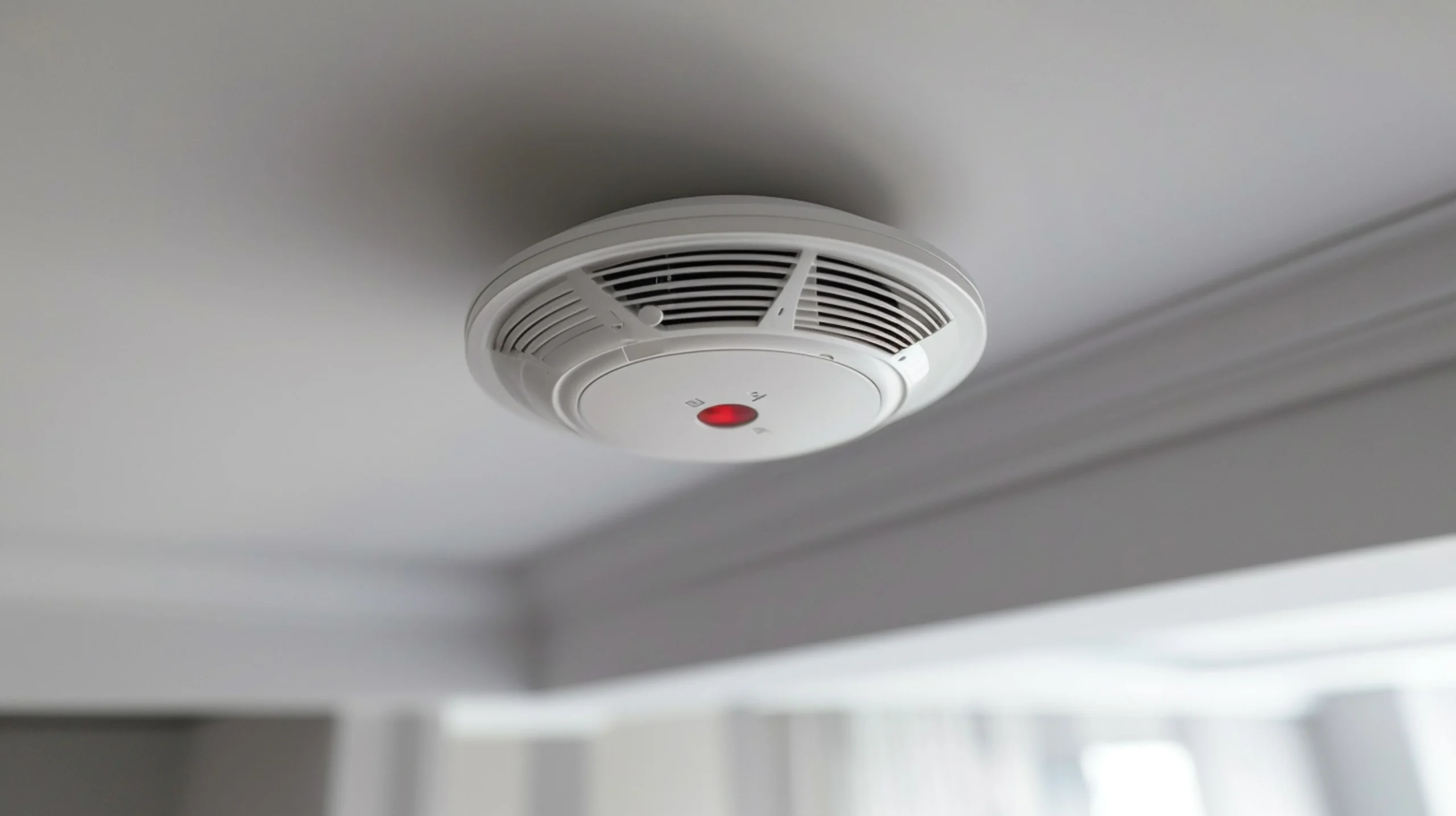
Traditional fire protection systems primarily relied on smoke alarms and manual intervention. Today’s advanced fire protection technologies provide a more proactive approach through:
Intelligent Monitoring
Modern systems continuously monitor environmental conditions and identify potential fire hazards before flames become widespread.
Real-Time Alerts
Instant notifications allow property owners, facility managers, and emergency responders to take action immediately.
Automated Response Systems
Advanced fire protection solutions can initiate suppression measures while emergency services are being notified, helping reduce fire growth during critical early moments.
Remote Visibility
Connected monitoring systems provide real-time status updates and alerts from virtually anywhere, improving situational awareness.
Fire Risks Across Different Industries
Commercial Buildings
Offices, retail spaces, and public facilities face risks from electrical faults, HVAC systems, and human activity.
Industrial Facilities
Manufacturing plants and warehouses often contain machinery, combustible materials, and high-energy processes that increase fire risks.
Transportation & Fleet Operations
Vehicle fires can result from electrical failures, fuel system issues, or overheating components.
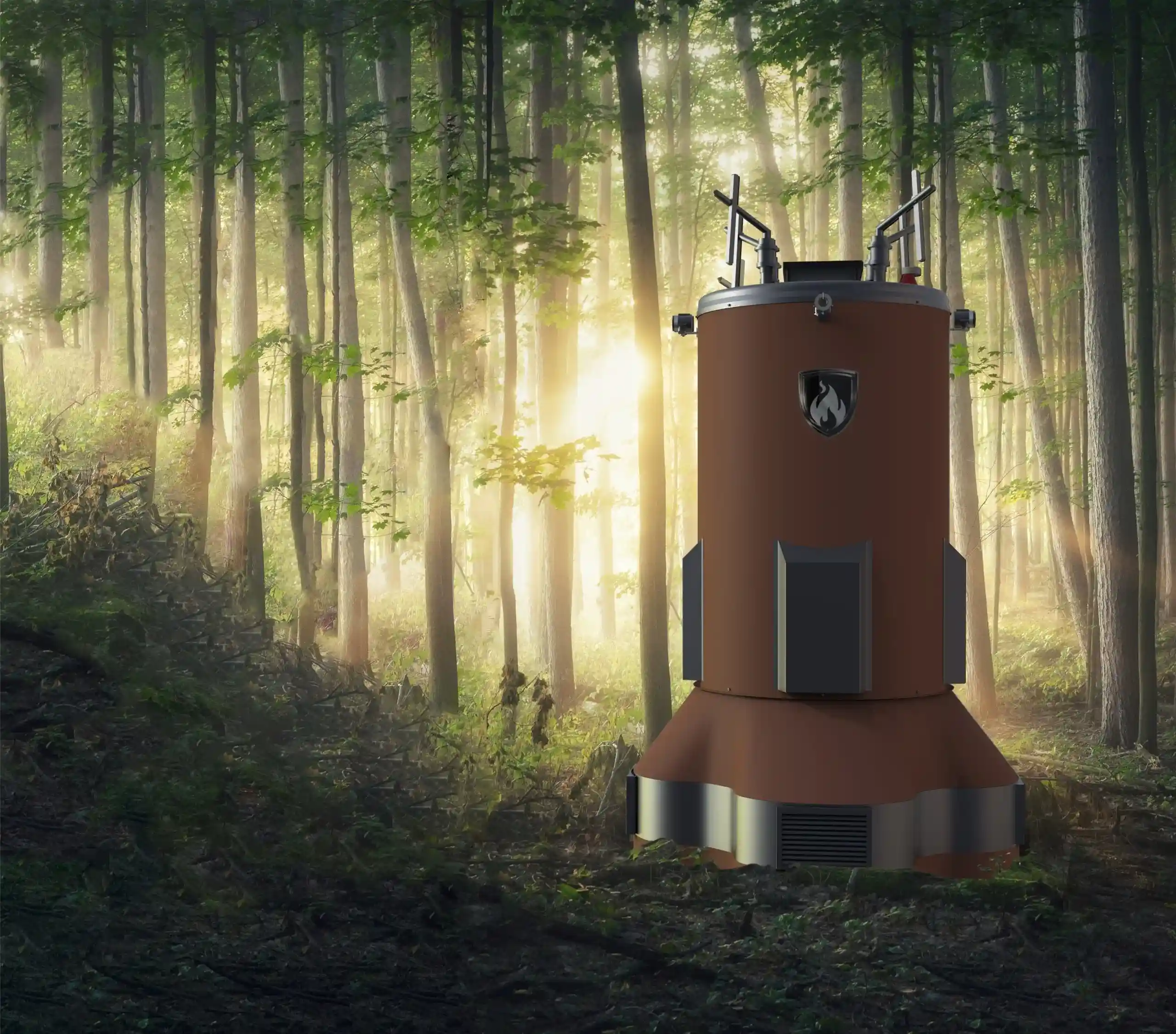
Rural & Remote Infrastructure
Facilities located in wildfire-prone regions require specialized protection strategies to address environmental threats.
Building a Layered Fire Protection Strategy
Effective fire protection involves multiple layers working together:
- Risk Assessment
- Early Detection
- Real-Time Alerting
- Suppression Support
- Emergency Response Planning
- Regular System Maintenance
Organizations that implement a layered approach are better positioned to reduce losses and improve operational resilience.
Looking Ahead
As fire risks continue to evolve, businesses and property owners are seeking smarter, faster, and more autonomous protection solutions. Early detection technologies will play an increasingly important role in helping safeguard people, property, and critical assets.
Investing in proactive fire protection today can significantly reduce the impact of tomorrow’s emergencies.
Conclusion
Fire safety is no longer just about responding to emergencies—it’s about preventing them from becoming disasters. Early detection provides valuable time, enabling faster decisions, quicker responses, and better outcomes when every second matters.
By combining advanced detection technologies with comprehensive fire protection strategies, organizations can create safer environments and strengthen their overall resilience.